Why Your Chronic Pain Clients Are Not Getting Better.

And What Is Actually Keeping Them Stuck.

A Free Clinical Workshop for Movement and Health Practitioners.

The body heals itself. Always. Soft tissue in three to six weeks. Bone in up to twelve weeks. So when a client has been in pain for six months, or two years, or a decade, the tissue is not the problem anymore.

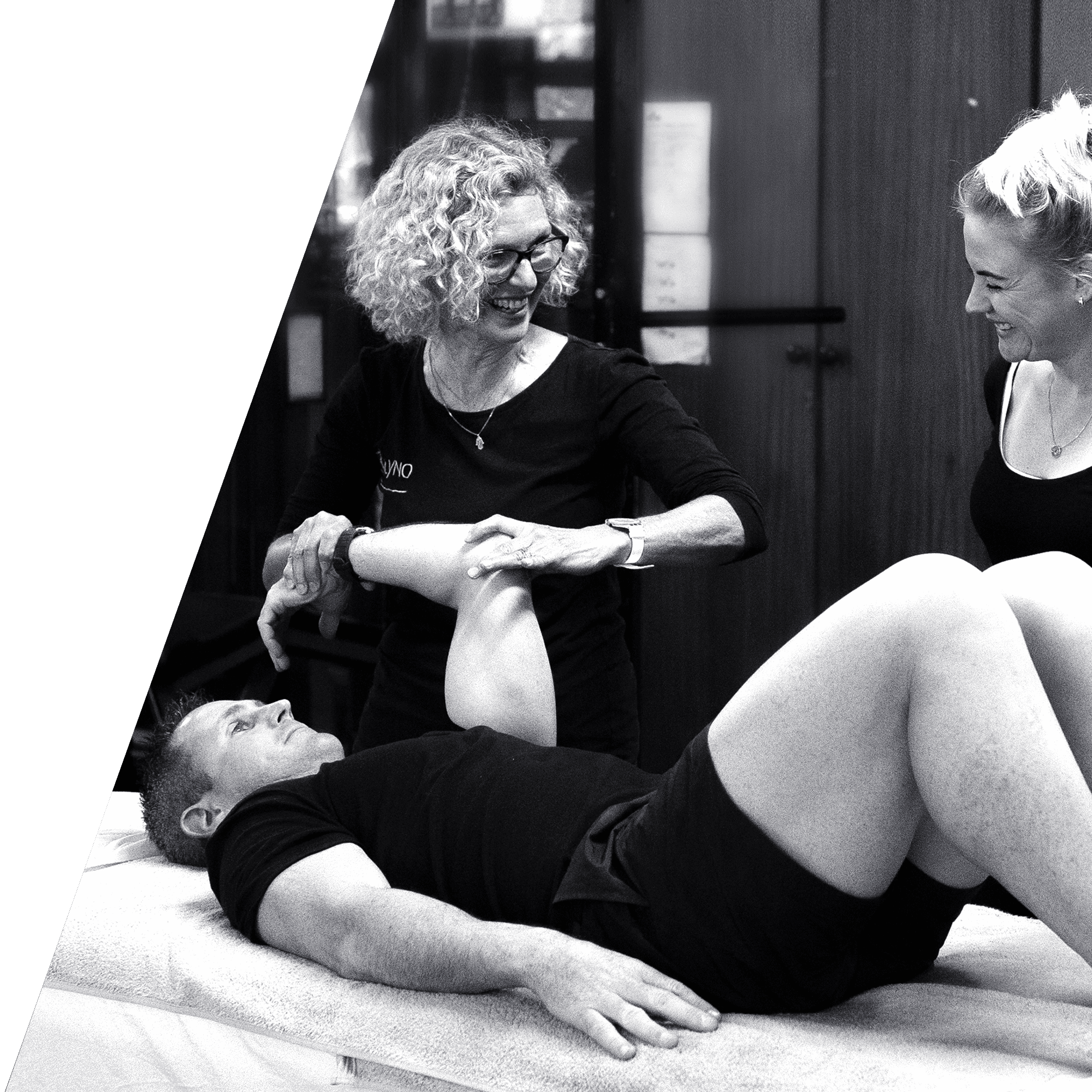
In this free 75 minute clinical workshop, physiotherapist and Lyno Method founder Benita Bester explains exactly what is maintaining your most difficult clients’ chronic pain, and what it actually takes to resolve it.

The three to twelve week healing window and what it reveals about chronic pain.

Why conventional treatment keeps failing your most difficult clients.

What it actually takes to resolve a bracing pattern stored in the nervous system.
Choose Your Session

One evening. One lunchtime. Same framework. Same results.

Session 1

Wednesday 10 June 2026 at 7:00pm South Africa time

Session 2

Thursday 18 June 2026 at 1:00pm South Africa time

Both sessions cover the same content. Strictly limited to registered attendees.

WHAT YOU WILL LEARN

75 minutes. One core insight. A completely new way of understanding your most difficult clients.

Most movement and health practitioners reach a point where they realise that good technique is not enough. Their chronic pain clients respond to treatment and then relapse. The same injuries keep returning. The same patterns keep reloading. And no matter how skilled the practitioner, the results plateau.

This workshop is for practitioners who have hit that ceiling and are ready to understand why.

The Three to Twelve Week Healing Window

The body heals itself. Always. Soft tissue in three to six weeks. Bone in up to twelve weeks. This is not an opinion. It is what the research shows and what thirty years of clinical practice confirms. So when a client has been in pain for six months, or two years, or a decade, the tissue is not the problem anymore. In this workshop you will understand exactly what is maintaining their pain, and why it is not visible on any scan or in any standard assessment.

What a Bracing Pattern Actually Is and Why It Cannot Be Stretched Away

When the body experiences physical or emotional stress, the autonomic nervous system braces in a specific pattern to protect itself. That pattern gets stored as a procedural memory in the cerebellum, exactly like riding a bicycle, except instead of freedom it creates chronic restriction, misalignment and pain. You will leave this workshop understanding why massage, manipulation, stretching and exercise prescription alone cannot resolve a pattern that lives in the nervous system, and what your most treatment-resistant clients actually need.

What It Takes to Give the Nervous System a Reason to Let Go

Releasing a bracing pattern stored in the nervous system requires a completely different approach from treating the tissue where the pain appears. In this workshop you will see real assessment data from the Lyno app showing how ten clients with identical diagnoses present with ten completely different restriction patterns. You will understand why the location of the pain is almost never the source of the problem. And you will leave with a clear framework for how to begin identifying the true pattern driving your most difficult clients’ chronic pain.

This workshop is free. No purchase required. Come with your most difficult chronic pain client in mind and leave with a new way of understanding what is actually happening in their body.

Both sessions are free. Strictly limited to registered attendees.
Meet Your Host

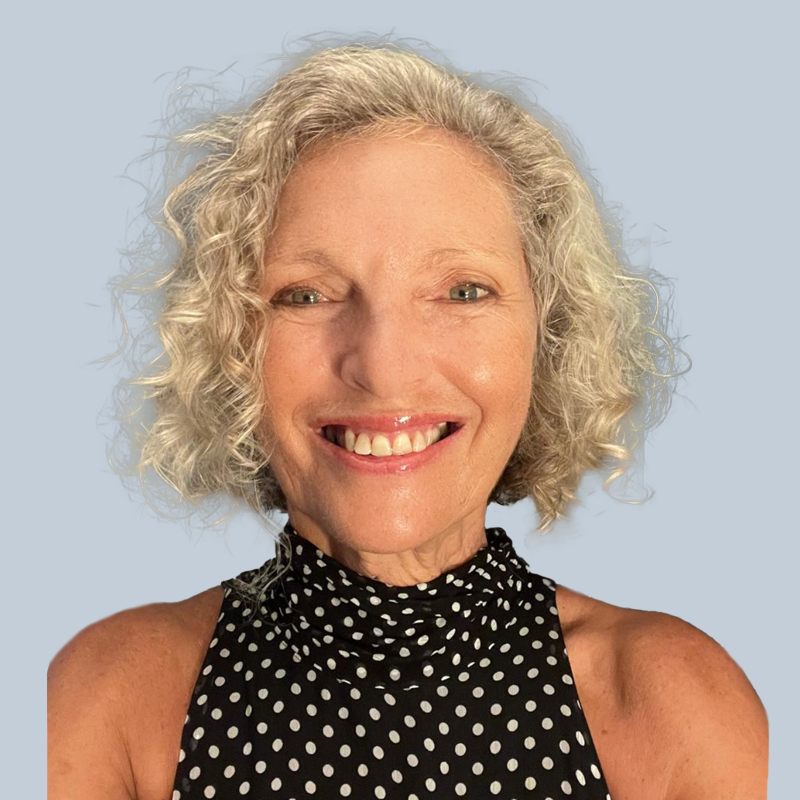
BENITA KROPMAN
Founder of The Lyno Method

Benita Bester is a South African qualified physiotherapist with over thirty years of clinical experience in fascia health, nervous system regulation, and chronic pain resolution.

She developed the Lyno Method in the 1990s while working with elite athletes including Olympic gold medallist Dame Kelly Holmes and Olympic silver medallist Elana Meyer. What began as a fascia-focused approach to recurring sports injuries has evolved over three decades into a comprehensive clinical methodology that addresses the neurological root causes of chronic pain and dysfunction.

Over the past thirty years she has trained hundreds of physiotherapists, osteopaths, biokineticists, chiropractors and movement coaches across South Africa, Germany, the UK, South Korea, India and Kenya, with over 100 licensed practitioners currently active worldwide. She has presented at the inaugural Fascia Research Congress at Harvard Medical School and taught at osteopathy schools in Germany and the UK.
Her co-authored book, The Lyno Method: Linking Fascia and the Nervous System to Resolve Chronic Pain and Injury, written with Professor Earle Abrahamson of the University of Hertfordshire, was published in the UK in May 2026.

She is currently based in Dubai and is returning to South Africa in July 2026 for one exclusive founder-led course intake in Johannesburg.
30 Years of Clinical Practice

Three decades of working with elite athletes, chronic pain clients, and movement professionals across four continents.

HPCSA Accredited

The Lyno Method certification is accredited by the Health Professions Council of South Africa for 61 CPD points.

Published Author

Co-author of The Lyno Method: Linking Fascia and the Nervous System to Resolve Chronic Pain and Injury, published in the UK, May 2026.

What Practitioners Say After Completing the Lyno Course

These are the results your colleagues are seeing with their chronic pain clients.

I am currently halfway through my Lyno Course, and it has completely changed the way I understand the human body and chronic injuries. Lyno goes beyond treating symptoms — it helps you find the root cause of pain and brings the body back to the basics of moving freely and naturally. Chronic pain patients used to be a challenge for me, but now I’m excited and...
Read More
Annike Loots
Physiotherapist, current online Lyno course student, South Africa
I am currently halfway through my Lyno Course, and it has completely changed the way I understand the human body and chronic injuries. Lyno goes beyond treating symptoms — it helps you find the root cause of pain and brings the body back to the basics of moving freely and naturally. Chronic pain patients used to be a challenge for me, but now I’m excited and confident to help them. I recently worked with a patient who had severe pain and limitations due to fear after a major car accident years ago, and after only two Lyno sessions he already showed physical, emotional, and mental improvement. Seeing patients smile again after years of pain and no long term solutions is truly incredible. I would highly recommend Lyno to anyone wanting to better understand and treat chronic pain, injuries and how the human body reacts to it.
Annike Loots
Physiotherapist, current online Lyno course student, South Africa
Before Lyno, I worked with many clients struggling with recurring chronic injuries that exercise-based rehabilitation alone failed to resolve. After applying the Lyno assessment and techniques, I first identified underlying misalignments, then strengthened clients to hold their alignment properly, which completely changed their outcomes. It shifted how I think about rehabilitation entirely and became the missing piece in my practice.
Gabi Dekenah
Biokineticist and Lyno Practitioner, Full time Lyno Practice, Cape Town, South Africa
Before Lyno, I worked with many clients struggling with recurring chronic injuries that exercise-based rehabilitation alone failed to resolve. After applying the Lyno assessment and techniques, I first identified underlying misalignments, then strengthened clients to hold their alignment properly, which completely changed their outcomes. It shifted how I think about rehabilitation entirely and became the missing piece in my practice.
Gabi Dekenah
Biokineticist and Lyno Practitioner, Full time Lyno Practice, Cape Town, South Africa
I am currently halfway through my Lyno Course, and it has completely changed how I understand the human body and chronic injuries. Lyno goes beyond treating symptoms — it helps you find the root cause of pain and brings the body back to the basics of moving freely and naturally. Chronic pain patients used to be a challenge for me, but now...
Read More
Annike Loots
Physiotherapist, Lyno Course Attendee
I am currently halfway through my Lyno Course, and it has completely changed how I understand the human body and chronic injuries. Lyno goes beyond treating symptoms — it helps you find the root cause of pain and brings the body back to the basics of moving freely and naturally. Chronic pain patients used to be a challenge for me, but now I’m excited and confident to help them. I recently worked with a patient who had severe pain and limitations due to fear after a major car accident years earlier. After only two Lyno sessions, he already showed physical, emotional, and mental improvement. Seeing patients smile again after years of pain and a lack of long-term solutions is truly incredible. I would highly recommend Lyno to anyone wanting to better understand and treat chronic pain and injuries, and how the human body reacts to them.
Annike Loots
Physiotherapist, Lyno Course Attendee
My Pilates classes have evolved significantly since I completed my Lyno Course, and they continue to do so. I have even considered changing the class name from Pilates classes to something that better reflects how we not only strengthen with Pilates exercises but also first address mobility and gently unlock fascial lines with warm-up movements. I also include movements shown to reduce cortisol levels. Although breathwork has always been foundational ...
Read More
Vanora van der Merwe
Pilates Instructor, Lyno Practitioner
My Pilates classes have evolved significantly since I completed my Lyno Course, and they continue to do so. I have even considered changing the class name from Pilates classes to something that better reflects how we not only strengthen with Pilates exercises but also first address mobility and gently unlock fascial lines with warm-up movements. I also include movements shown to reduce cortisol levels. Although breathwork has always been foundational in my classes, this area has been amped up with the knowledge and experience I have gained from using the Lyno method. Even when the neck and shoulders start to compensate and overwork in class, simple eye movements alleviate this almost immediately! I am loving every moment of discovery!
Vanora van der Merwe
Pilates Instructor, Lyno Practitioner
Lyno has added incredible value to my Pilates practice by helping me support clients in a far more holistic way. Rather than focusing solely on the acute or chronic injury, it enables me to consider the whole person — including movement patterns, lifestyle, stress, and the nervous system. This approach helps uncover possible underlying causes rather than treating symptoms alone. My clients have...
Read More
Celeste Venter
pilates Instructor, Lyno Practitioner
Lyno has added incredible value to my Pilates practice by helping me support clients in a far more holistic way. Rather than focusing solely on the acute or chronic injury, it enables me to consider the whole person — including movement patterns, lifestyle, stress, and the nervous system. This approach helps uncover possible underlying causes rather than treating symptoms alone. My clients have experienced improved body awareness, reduced tension and discomfort, better movement quality, and a greater sense of overall wellbeing. It has enhanced the way I assess, guide, and support clients, ultimately improving their quality of life and helping them move with more confidence and ease.
Celeste Venter
pilates Instructor, Lyno Practitioner
As a LYNO practitioner, I see many clients who suffer from chronic pain, recurring injuries, sports-related trauma, physical trauma, emotional trauma, or immune-related conditions. Most arrive feeling overwhelmed and discouraged after trying many therapies without lasting results. What makes the LYNO Method so powerful is that it allows me to approach the body as a whole rather than treating pain in isolated...
Read More
Winsie Oosthuizen
Biokineticist, Lyno Practitioner, Lyno Course Presenter
As a LYNO practitioner, I see many clients who suffer from chronic pain, recurring injuries, sports-related trauma, physical trauma, emotional trauma, or immune-related conditions. Most arrive feeling overwhelmed and discouraged after trying many therapies without lasting results. What makes the LYNO Method so powerful is that it allows me to approach the body as a whole rather than treating pain in isolated areas. Clients often present with pain throughout the body — in the foot, hip, opposite shoulder, neck, back, and shoulder blade — and instead of addressing these issues separately, the LYNO Method provides a comprehensive approach that connects the patterns behind the pain. This has made my work as a practitioner far more effective and rewarding, while also giving clients something many of them have lost along the way: hope.
Winsie Oosthuizen
Biokineticist, Lyno Practitioner, Lyno Course Presenter
The Lyno Method has helped me support clients recovering from Guillain-Barré syndrome by providing a neuro-fascial framework for understanding how the body compensates after neurological trauma. Rather than focusing solely on weakness or pain, Lyno enables me to assess protective guarding, fascial restriction, altered movement patterns, and the nervous system’s need to feel safe again. Through breath, movement, and integration, it...
Read More
Blyde Olivier
Equine Therapist and Lyno Practitioner
The Lyno Method has helped me support clients recovering from Guillain-Barré syndrome by providing a neuro-fascial framework for understanding how the body compensates after neurological trauma. Rather than focusing solely on weakness or pain, Lyno enables me to assess protective guarding, fascial restriction, altered movement patterns, and the nervous system’s need to feel safe again. Through breath, movement, and integration, it supports improved body awareness, mobility, proprioception, and confidence in movement. For me, Lyno has shown that recovery is not just about strength — it is about helping the body reconnect, regulate, and trust itself again.
Blyde Olivier
Equine Therapist and Lyno Practitioner

Emerging perspectives are beginning to bridge the gap between Stephen Porges’ framework and Paul Grossman’s critiques — particularly in practical, body-based approaches such as fascia work and somatic therapies. Across research and clinical practice, there is growing recognition that Polyvagal Theory offers a useful language and framework, while Grossman’s work highlights important limitations in...

Read More
Viv van Zyl
Massage Therapist and Lyno Practitioner

Emerging perspectives are beginning to bridge the gap between Stephen Porges’ framework and Paul Grossman’s critiques — particularly in practical, body-based approaches such as fascia work and somatic therapies. Across research and clinical practice, there is growing recognition that Polyvagal Theory offers a useful language and framework, while Grossman’s work highlights important limitations in the underlying physiological claims. In practice, this allows a shift in focus — away from the need for precise explanations of specific mechanisms and towards what is observable: how the system regulates, adapts, and responds. This focus on observable change speaks to the credibility of Benita Bester, founder of the Lyno Method. Her willingness to continually question the “why” behind the results allows the method — and the framework that supports it — to evolve as new ways of understanding those results emerge.


Viv van Zyl
Massage Therapist and Lyno Practitioner
One of my clients is a physiotherapist who struggled with plantar fasciitis for years. As a biokineticist, I tried conventional rehab with her using all the knowledge I had at that stage, but to no avail. Eventually, she was scheduled for surgery for fascial release underneath the foot. At that stage, I had just started the Lyno course and asked her if I...
Read More
Biokineticist
Lyno Practitioner
One of my clients is a physiotherapist who struggled with plantar fasciitis for years. As a biokineticist, I tried conventional rehab with her using all the knowledge I had at that stage, but to no avail. Eventually, she was scheduled for surgery for fascial release underneath the foot. At that stage, I had just started the Lyno course and asked her if I could do the practical sessions on her. She wasn’t very keen on the surgery and agreed. The results astonished both of us. Within six weeks, her pain was gone and her FROM diagram was basically normal. Needless to say, the operation was no longer necessary.The Lyno Method has taken my practice to a new level, especially when working with patients who experience chronic pain. I initially thought it would simply become part of my treatment “toolbox,” but it has become my multitool — something I can do so much more with. I would recommend The Lyno Method to any practitioner working with patients in pain.
Biokineticist
Lyno Practitioner
I have been a physiotherapist for 20 years and am currently completing the Lyno online course presented by Benita Kropman-Bester. After finishing Module Two, I can honestly say it has been one of the most eye-opening learning experiences of my career. What impressed me most was how the Lyno Method identifies dysfunctional movement patterns and fascial restrictions that many of us...
Read More
Hanlea Moller
Physiotherapist, Lyno Course Attendee
I have been a physiotherapist for 20 years and am currently completing the Lyno online course presented by Benita Kropman-Bester. After finishing Module Two, I can honestly say it has been one of the most eye-opening learning experiences of my career. What impressed me most was how the Lyno Method identifies dysfunctional movement patterns and fascial restrictions that many of us as physios may previously have missed, due to a lack of a truly holistic assessment system. Benita’s understanding of human movement is exceptional. Using the Lyno App and movement analysis system, the method accurately identifies the source of dysfunction and restores normal movement through specific, pain-free techniques. During my case studies, I consistently saw left-to-right discrepancies improve with each session, while clients became more relaxed, energised, and hopeful about living without pain. Clients can feel the difference immediately, and by understanding the habits contributing to their pain, they regain confidence in their bodies. I highly recommend this course to any movement professional seeking a measurable, effective system for treating chronic pain and restoring functional movement.
Hanlea Moller
Physiotherapist, Lyno Course Attendee
Questions?

Contact Benita directly on WhatsApp: +27 82 853 8537 or email benita@thelynomethod.com.